Why Does Grass Turn Yellow in Minnesota Lawns During Summer?
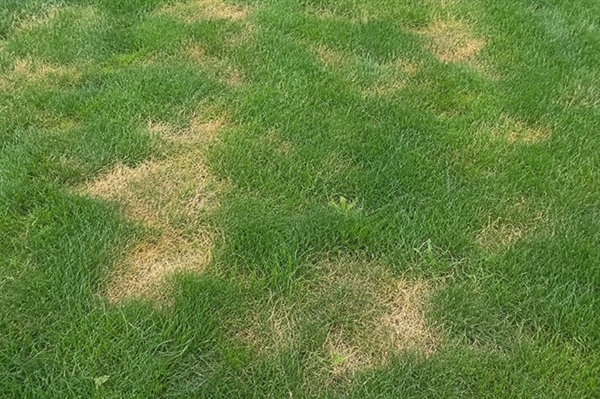
Minnesota summers bring intense heat that can quickly stress cool-season grasses, leading to unsightly yellow patches across your property. Identifying the root cause is the first step toward restoring the vibrant green color that characterizes a healthy White Bear Lake landscape. While heat stress is a frequent culprit, factors like soil quality and moisture levels play equally significant roles in turf appearance.
At Ground FX Lawn & Landscape, we specialize in diagnosing these seasonal shifts to keep your yard resilient. Our team utilizes professional-grade solutions to combat summer dormancy and nutrient deficiencies. By understanding the specific needs of local soil and grass types, we help homeowners maintain curb appeal even during the hottest July and August weeks.
Key Takeaways:
- Heat stress and summer dormancy are the primary drivers of yellowing in cool-season Minnesota grasses.
- Proper moisture management and soil aeration are critical to preventing root suffocation and nutrient lockout.
- Professional turf health programs provide the balanced fertilization needed to recover from seasonal stress without burning the lawn.
Summer Heat and Turf Discoloration Causes
High temperatures and lack of rainfall are the most common reasons grass turns yellow during Minnesota summers. Most local lawns consist of cool-season grasses like Kentucky Bluegrass or Fine Fescue, which naturally begin to go dormant when temperatures consistently exceed 85 degrees. This yellowing is a survival mechanism where the plant conserves energy by letting the blades die back while keeping the crown and roots alive.
Environmental factors like pet waste or dull mower blades can exacerbate this discoloration during periods of high stress. When grass is already struggling with heat, a jagged cut from a dull blade causes the tips to fray and turn brown or yellow more quickly. To mitigate these issues, we recommend a consistent lawn mowing service that maintains the proper height to shade the soil and protect the root system.
Risks of Overwatering and Root Suffocation
Overwatering can definitely make grass turn yellow by saturating the soil and depriving the roots of necessary oxygen. When the ground remains constantly soggy, the roots essentially "drown," leading to a condition called root rot that manifests as pale yellow or limp blades. This is often mistaken for drought stress, leading homeowners to apply even more water and worsening the underlying problem.
Efficient moisture management is key to maintaining a deep green hue without wasting resources. Implementing smart irrigation control allows your system to adjust based on actual weather conditions and soil moisture levels. This prevents the anaerobic soil conditions that lead to yellowing and ensures your turf receives exactly what it needs to thrive through the peak of summer.
Impact of Soil Compaction on Color
Compacted soil prevents water, air, and nutrients from reaching the root zone, which directly results in a yellowing, thinning lawn. In the high-traffic areas of a White Bear Lake, MN yard, the soil particles become pressed together, effectively "choking" the grass plants. Without adequate pore space in the soil, the turf cannot develop the deep root system required to stay green and healthy during environmental stress.
Ground FX Lawn & Landscape addresses these structural soil issues to restore proper nutrient uptake and vigor. Our professional core aeration process removes small plugs of soil to alleviate density and allow the lawn to breathe again. This service is one of the most effective ways to reverse yellowing caused by poor soil drainage and physical compaction.
Strategic Timing for Summer Lawn Fertilization
Homeowners should fertilize yellowing grass only when the lawn is actively growing and not during the peak of a severe drought or heatwave. Applying high-nitrogen fertilizer to a dormant, yellow lawn can cause "fertilizer burn," which further damages the plant tissues. The best approach is to follow a structured schedule that provides slow-release nutrients to sustain the grass through the transition into summer.
Our team provides a comprehensive turf health plan that includes precisely timed applications throughout the growing season. By using specialized formulas, we ensure your grass has the iron and nitrogen necessary for a deep green color without over-stimulating growth during stressful periods. This balanced feeding helps the lawn recover faster once cooler temperatures and rain return.
Common Lawn Diseases in White Bear Lake
Fungal pathogens like Summer Patch, Dollar Spot, and Rust are frequent causes of yellow or straw-colored circles in local lawns. These diseases often emerge when high humidity combines with nighttime temperatures that stay above 60 degrees, creating a breeding ground for fungi. Identifying these issues early is vital, as they can quickly spread across the entire property if left untreated.
We pride ourselves on being the local experts who understand the unique fungal pressures facing East Metro properties. If your grass shows yellowing that doesn't respond to proper watering, it may require a targeted fungicide application. You can trust Ground FX Lawn & Landscape to diagnose these turf diseases and implement a recovery plan that brings your lawn back to its peak condition.
Frequently Asked Questions
How long does it take for a yellow lawn to turn green again?
If the yellowing is caused by simple heat dormancy, the grass usually begins to green up within 7 to 10 days after receiving consistent moisture and cooler temperatures. However, if the discoloration is due to disease or nutrient deficiencies, it may take several weeks of targeted treatment to see a full recovery. Regular maintenance helps speed up this process by ensuring the roots are strong enough to bounce back quickly.
Can I fix yellow spots caused by dog urine?
Yellow spots from pet waste are caused by high concentrations of nitrogen and salts, which can be neutralized by flushing the area with water immediately. For established spots, you may need to rake out the dead grass and reseed the area with a similar grass blend. We often recommend slightly increasing the mowing height in these areas to help the surrounding grass mask the spots while they heal.
Is it better to water my lawn in the morning or evening to prevent yellowing?
Early morning watering, typically between 4:00 AM and 8:00 AM, is the most effective way to prevent yellowing and fungal diseases. Watering at this time allows the blades to dry before the sun gets too high, while watering at night leaves the grass damp for too long, which invites mold and fungi. Proper timing ensures that the water reaches the roots where it is needed most without promoting disease growth.
We take pride in helping our neighbors achieve the best-looking yards in the community. If you are struggling with yellow patches or seasonal stress, let our experienced team provide the professional care your property deserves. We offer everything from precision mowing to advanced irrigation and turf health programs to keep your landscape resilient year-round.
Ready to restore your lawn? Contact us today to schedule a consultation or request an estimate.