What Is the Best Lawn Fertilizing Schedule for Minnesota Homes?
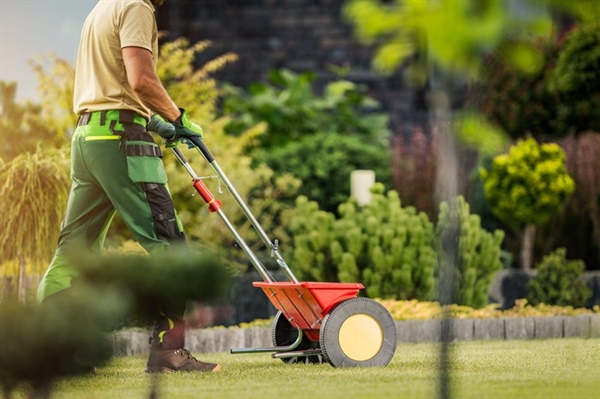
Maintaining a vibrant yard in the Twin Cities requires more than just water and sun. A strategic lawn fertilizing schedule is essential for navigating the extreme temperature swings and seasonal shifts unique to Minnesota. By providing the right nutrients at the right time, you ensure your grass develops the deep root systems necessary to survive harsh winters and sweltering summers.
Homeowners often struggle with the timing of these applications, but a professional approach simplifies the process. High-quality fertilizers, when applied correctly, act as a primary defense against invasive species and environmental stress. Our local climate demands a specialized regimen that supports cool-season grasses during their peak growth periods in the spring and fall.
Key Takeaways: - Minnesota lawns thrive best with six strategically timed fertilizer applications per year to cover early spring through late fall.
- Cool-season grasses, such as Kentucky Bluegrass, require slow-release nitrogen to build deep roots without causing excessive top growth.
- The most critical application occurs in early fall, allowing grass to store essential nutrients for winter survival and rapid spring green-up.
Optimal Annual Lawn Fertilizer Application Count
Most Minnesota lawns require 6 fertilizer applications per year to maintain peak health and appearance. This comprehensive frequency is the foundation of our turf health plan, which is specifically designed for the cool-season grasses found in White Bear Lake, MN. While some generic advice suggests fewer feedings, the dramatic seasonal shifts in the Twin Cities necessitate consistent nutrient replenishment to keep grass dense and competitive against weeds.
Each of these six visits serves a distinct purpose in the plant's life cycle. From the early spring jumpstart to the late-season winterizer, these treatments ensure that nitrogen, phosphorus, and potassium are available exactly when the grass needs them. By following this professional-grade schedule, homeowners can avoid the "peaks and valleys" of lawn color and health that often plague DIY efforts.
Best Fertilizer Types for Cool-Season Grass
Slow-release granular fertilizer is the superior choice for the cool-season grasses that dominate the local landscape. These grasses, including Kentucky Bluegrass and Fescue, benefit from a steady supply of nutrients rather than a quick-acting chemical surge that can cause "top growth" at the expense of root strength. Utilizing a lawn fertilization program that prioritizes slow-release nitrogen ensures your yard remains lush without requiring constant mowing.
Proper NPK ratios are also vital for professional results. In Minnesota, fertilizers with higher potassium levels are often used in the fall to improve cold tolerance and disease resistance. Our state-certified applicators at Ground FX Lawn & Landscape utilize specialized blends that comply with local phosphorus regulations while still delivering the micronutrients and iron necessary for a deep, blue-green hue.
Winterizing Timing for Minnesota Homeowners
Homeowners should stop fertilizing and apply their final "winterizer" treatment in late October or early November. This final application is arguably the most important of the entire season as it prepares the turf for dormancy. By applying a final round of nutrients just before the ground freezes, the grass stores energy in its roots, which triggers a faster and more vibrant green-up once the snow melts in the spring.
Timing this application correctly requires monitoring local soil temperatures. If applied too late, the grass cannot absorb the nutrients; if applied too early, it may encourage new, tender growth that is easily killed by the first hard frost. Incorporating this step into a broader residential lawn maintenance routine ensures your property is fully protected before the first snowfall arrives.
How Fertilization Prevents Invasive Weed Growth
Fertilization prevents weeds by promoting thick, dense turf that leaves no room for invasive seeds to germinate. Weeds are opportunistic and thrive in thin, nutrient-deficient soil where they don't have to compete for resources. When you invest in professional fertilizing and weed control, you are effectively building a natural barrier that chokes out crabgrass and dandelions before they take hold.
A well-fed lawn develops a deep root system that can reach moisture and nutrients far below the surface. This makes the grass much more resilient than shallow-rooted weeds during the dry summer months. By maintaining high turf density through regular feedings, you significantly reduce the need for heavy herbicide applications later in the year.
Risks of Early Spring Fertilizer Applications
Fertilizing too early in the spring can cause excessive top growth that weakens the root system and leaves the grass vulnerable to disease. If the ground is still frozen or the soil temperature is below 55 degrees, the grass is not yet actively growing and cannot utilize the nutrients. This often leads to fertilizer runoff, which wastes your money and can harm local White Bear Lake waterways.
It is best to wait until the grass has started to green up and you have mowed at least once or twice before starting your program. This ensures the plant is ready to process the nitrogen and build the strength needed to withstand the upcoming summer heat. For the best results, consult with Ground FX Lawn & Landscape to schedule your first visit at the perfect horticultural moment.
Frequently Asked Questions
Should I mow my lawn before the fertilizer is applied?
Yes, mowing your lawn before a fertilizer application is highly recommended because it allows the granules to reach the soil more effectively. Removing excess grass height and debris ensures that the nutrients are not trapped on top of the blades where they cannot be absorbed. If you bag your clippings, mowing beforehand also prevents you from accidentally removing the fertilizer right after it has been spread.
Is it safe for pets to be on the lawn after fertilization?
We recommend keeping pets and children off the treated turf until any liquid herbicides or fertilizers have completely dried, which typically takes 1 to 3 hours. For granular-only applications, it is generally safe once the dust has settled, but watering the lawn in first provides an extra layer of safety. Our team always places application posting signs to keep you informed of when it is safe to return to your yard.
Do I need to water my lawn immediately after fertilizing?
Most granular fertilizers benefit from being "watered in" with about a half-inch of water to help the nutrients move into the root zone. However, if your application included a weed control spray, you should wait at least 24 hours before watering or mowing to let the herbicide work. Always check the specific instructions provided by your technician, as some professional blends are designed to be shelf-stable until the next rainfall.
Get Professional Lawn Care Today
At Ground FX Lawn & Landscape, we take pride in delivering the highest caliber of service to our neighbors. Whether you need a comprehensive turf health plan or seasonal maintenance, our team is ready to help your yard reach its full potential. We combine local expertise with a commitment to respectful, attentive service for every property we manage.
Ready to transform your lawn? Contact us today for a personalized estimate.