What Are the Signs Your Lawn Needs Aeration?
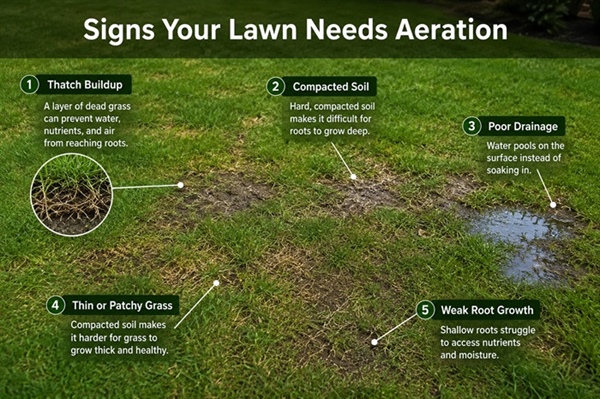
Maintaining a vibrant lawn in the challenging climate of the Twin Cities requires more than just regular mowing and watering. Homeowners often struggle with thinning grass and yellowing patches despite their best efforts, frequently because the underlying soil environment has become inhospitable. Core aeration is a vital service for lawns in White Bear Lake, MN, as it addresses the physical barriers that prevent turf from reaching its full potential.
By removing small plugs of soil and thatch, aeration restores the critical exchange of gases and moisture that grass roots need to thrive. This process directly counters the effects of heavy foot traffic and the region's dense soil types, ensuring that your lawn care investments in fertilizer and water actually reach their target. Understanding the mechanics of soil health and the timing of these treatments is the first step toward achieving a resilient, professional-grade landscape.
Key Takeaways:
- Aeration relieves soil compaction, allowing essential oxygen and water to reach the root zone for deeper, healthier growth.
- Combining overseeding with aeration significantly improves seed-to-soil contact, leading to higher germination rates and a denser lawn.
- The best time for aeration in Minnesota is during the fall, when cool-season grasses are actively growing and preparing for winter.
Compaction Impacts Grass and Root Growth
Soil compaction significantly hinders turfgrass health by physically restricting root penetration and reducing the availability of oxygen. When soil particles are pressed together, the pore spaces that typically hold air and water are crushed, creating a dense barrier that roots cannot easily navigate. Research indicates that high compaction pressures severely limit both top growth and root development, leading to shorter, weaker roots that cannot access deep moisture.
This lack of root depth makes your lawn much more vulnerable to summer drought and heat stress. In a compacted environment, the grass must expend more energy to push through the soil, resulting in thinner turf and slower recovery from damage. Utilizing professional lawn aeration is the most effective way to break up this density and restore the physical structure necessary for a lush, resilient yard.
Why Lawns Develop Excessive Thatch Buildup
Excessive thatch buildup occurs when the production of organic matter from grass shoots and roots exceeds the rate of natural decomposition. Thatch is an intertwined layer of living and dead plant tissue, including stems, rhizomes, and stolons, that sits between the green vegetation and the soil surface. Factors such as over-fertilization with nitrogen and excessive irrigation can trigger rapid growth that the soil's microorganisms simply cannot keep up with.
When the environment becomes too acidic or lacks proper airflow, the beneficial bacteria and fungi responsible for breaking down this organic matter become inactive. This leads to a thick, spongy layer that repels water and prevents nutrients from reaching the soil. Ground FX Lawn & Landscape helps manage this by providing dethatching services that physically remove the excess material, allowing your lawn to breathe again.
Best Time for Minnesota Lawn Aeration
The ideal time for lawn aeration in Minnesota is during the late summer or early fall when temperatures begin to cool. For the cool-season grasses common in the Twin Cities, this period marks a surge in root activity and recovery from summer dormancy. Aerating during this window allows the grass to take advantage of the increased oxygen and space to strengthen its root system before the ground freezes for winter.
Performing this service in the fall also minimizes competition from summer weeds, which are less active as the days shorten. While spring aeration is an option, it often disrupts the pre-emergent barriers used to control crabgrass. By choosing a fall core aeration treatment, you ensure your lawn enters the winter in peak condition, ready for a faster green-up the following year.
Combining Overseeding and Aeration Services
Overseeding should always be combined with aeration services to maximize the success of new grass growth. The holes created during the aeration process provide the perfect "pocket" for grass seeds to settle into, ensuring the essential seed-to-soil contact required for germination. Without these openings, seeds often sit on top of the thatch layer where they can dry out or be washed away by rain before they ever take root.
This combined approach is the most efficient way to thicken a thinning lawn and introduce improved grass varieties that are more resistant to pests and disease. Ground FX Lawn & Landscape offers these integrated lawn care packages to help homeowners achieve a dense, uniform carpet of green. A thicker lawn naturally crowds out weeds, reducing the need for chemical treatments over time.
Aeration Improves Nutrient and Fertilizer Absorption
Aeration improves fertilizer absorption by creating direct pathways for nutrients to reach the root zone rather than sitting on the surface. When soil is compacted or covered in heavy thatch, granular fertilizers often get trapped, leading to nutrient runoff or volatilization. Core cultivation increases the plant's ability to take up these materials and helps incorporate immobile nutrients like phosphorus deeper into the soil profile where they are most useful.
Furthermore, the influx of oxygen into the soil stimulates the microbial activity necessary for nutrient cycling. Healthy soil microbes break down fertilizers into forms that grass can readily absorb, significantly increasing the efficiency of your treatments. For a custom turf health plan to be effective, the soil must be porous enough to let those nutrients move freely to the roots.
Frequently Asked Questions
How deep should the aeration plugs be?
Effective core aeration typically removes plugs that are 2 to 3 inches deep and about half an inch in diameter. This depth is necessary to penetrate the thatch layer and reach the actual soil where the primary root mass resides.
Do I need to pick up the soil plugs after aeration?
You should leave the soil plugs on the lawn because they contain beneficial microorganisms and nutrients that will break back down into the soil. These plugs usually disappear within one to two weeks through regular mowing and watering.
Can aeration help with lawn drainage issues?
Aeration helps alleviate minor surface drainage issues by increasing the soil's infiltration rate and reducing runoff. By opening up the soil structure, water can move vertically into the ground more easily rather than pooling on a compacted surface.
At Ground FX Lawn & Landscape, we take pride in helping our neighbors achieve the beautiful, healthy yards they deserve. Our experienced crews understand the specific needs of Minnesota soil and are ready to provide the professional care your property needs to thrive through every season. Whether you are looking for a one-time aeration or a full-season maintenance plan, we are here to help.