Seasonal Lawn Care Challenges Specific to Eastern Twin Cities Suburban Yards
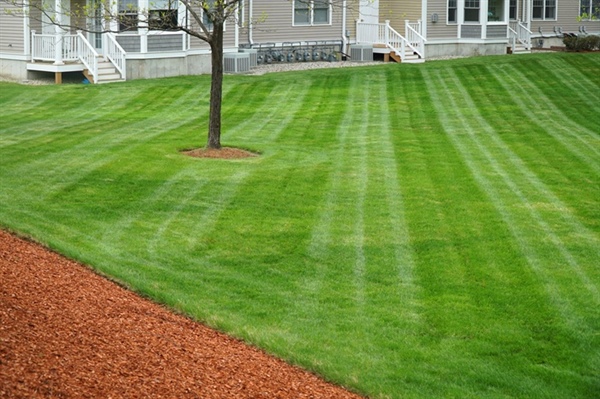
Managing seasonal lawn care challenges in eastern Twin Cities suburban yards requires attention to local climate patterns, soil conditions, and turf-specific needs.
Ground FX Lawn & Landscape brings years of experience helping homeowners navigate these seasonal demands with precision and consistency.
From early spring debris cleanup and aeration to summer irrigation management and fall preparation for winter dormancy, our team ensures that every lawn receives the proper care to thrive year-round.
By combining technical expertise with locally tailored practices, we help protect turf health, enhance landscape features, and minimize stress from Minnesota’s extreme weather conditions. Read on to see how we help Eastern Minnesota homeowners keep their lawns beautiful through every season.
How the Minnesota Winter Affects Turf & Landscape Features
Eastern Twin Cities suburbs encounter winter conditions that place heavy stress on turf and landscape structures. The freeze–thaw cycle is one of the most influential forces.
As temperatures rise and drop repeatedly, moisture within the soil expands and contracts. This movement disrupts root anchoring, lifts sections of turf, and causes small voids in the soil profile that affect early-season growth.
Lawns near shaded areas or north-facing slopes often experience deeper frost penetration, which slows spring recovery.
Long snow cover also plays a major role. Areas where snow accumulates for extended periods become more prone to snow mold, crown hydration injury, and delayed soil warming. Excessive moisture trapped under compacted snow can suffocate turf crowns, creating pale or matted patches that linger into late spring.
Lawns bordering sidewalks and driveways face additional challenges due to salt application, heat absorption from pavement, and mechanical abrasion from shovels or plows.
Landscape features such as plant beds, retaining walls, and edging materials endure movement caused by frost heave. Roots of shrubs and perennials may lift from the soil or experience drying during midwinter warm-ups.
Hardscape joints may loosen or shift under repeated expansion. These winter elements create the baseline for the maintenance steps required when spring arrives.
Early Spring Steps for Lawns Recovering from Snow, Ice, & Winter Debris
The first focus in early spring is clearing debris that accumulated during winter. Leaves, branches, and plow debris create matted layers that trap moisture and restrict airflow at the soil surface.
Removing these materials allows the turf canopy to receive light and helps the soil warm more quickly. Raking matted sections breaks up snow mold damage and encourages new tillers to push through.
Soil compaction caused by winter equipment or foot traffic on frozen ground must also be addressed. High-traffic zones benefit from targeted aeration later in spring once soil temperatures rise.
Before aeration, homeowners should inspect for lifted sod or separated seams caused by freeze–thaw movement and tamp these down while the soil is moist. Correcting these issues prevents uneven mowing and promotes even growth.
Salt stress near driveways and sidewalks is another early-season concern. Salt-damaged areas often display thin, yellowing patches. Flushing these sites with water helps dilute residual salts and improve root-zone conditions.
In some cases, overseeding may be required once soil temperatures reach germination thresholds. Ensuring irrigation systems are functional during spring start-up also prepares the lawn for gradual seasonal demand increases.
Adjusting Lawn Care Routines During Hot, Dry Summer Stretches
Hot, dry summer periods place stress on turf in eastern Twin Cities suburbs, especially on south-facing slopes and areas with sandy soils.
Mowing height should be increased to help turf retain moisture and shade its own crown. Taller grass develops deeper roots, which draws from a wider soil volume during drought conditions. Cutting too short during heat waves leads to moisture loss and increased susceptibility to weed intrusion.
Watering practices must also shift. Deep, infrequent watering supports stronger root systems, while shallow, frequent watering encourages weak surface rooting.
During extended dry conditions, watering early in the day reduces evaporation and increases absorption. Irrigation systems should be checked for uniform coverage, blocked heads, or pressure issues that create dry pockets.
Nutrient programs in mid-summer should avoid heavy nitrogen applications during peak heat. Excess nitrogen pushes top growth when turf is already stressed, increasing water demand.
Balanced treatments or slow-release formulations allow the turf to maintain color and density without increasing physiological strain. Weed pressure also rises during dry periods, so maintaining soil moisture and supporting turf density helps reduce opportunistic species.
Fall Practices That Help Lawns Transition Into Winter
Fall lawn care service focuses on preparing turf for cold weather and strengthening root systems before dormancy. Mowing height should be gradually reduced during the season, ending slightly shorter than summer levels to minimize snow mold risk. Cutting too short, however, exposes the crown to winter injury, so the transition must be controlled.
Leaf cleanup is another critical fall step. Thick leaf layers trap moisture, block sunlight, and create ideal conditions for fungal issues. Regular removal or mulching keeps the turf canopy open and reduces the risk of spring disease.
Fall aeration relieves compaction accumulated during summer and opens channels for oxygen and nutrient movement. Beneficial topdressing with compost at this time supports soil structure and microbial activity into the next season.
Fall fertilization targets root development rather than top growth. Nutrient availability during this period supports carbohydrate storage within the plant, increasing winter hardiness and speeding up spring green-up.
Overseeding is often paired with fall aeration to introduce updated grass cultivars and improve density before winter arrives.
When & Why to Consider Landscape Upgrades or Irrigation Checks in Off-Peak Seasons
Off-peak periods—late fall, winter planning months, and early spring—provide good opportunities to evaluate long-term landscape upgrades.
During these quieter periods, homeowners can assess which parts of the landscape underperformed, experienced stress, or suffered winter damage. This is often when issues such as poor drainage, insufficient shade management, or outdated planting beds are easiest to identify.
Irrigation system checks are also more efficient in off-peak seasons. Reviewing controller settings, evaluating zone performance, and inspecting for wear in valves or heads helps prevent mid-summer failures.
Winter is a good time to plan design changes or schedule professional evaluations before high-demand periods. Spring is ideal for testing sensors, checking for leaks, and ensuring proper coverage before temperatures rise.
Off-peak planning allows homeowners to budget for incremental upgrades, such as improved soil amendments, refined bed layouts, updated turf varieties, or smart-controller integration.
Using these months for evaluation and preparation leads to smoother performance during the growing season and reduces reactive work once temperatures shift.
Expert Seasonal Lawn Care Support in the Twin Cities
Homeowners throughout the Twin Cities metro area can rely on Ground FX Lawn & Landscape for comprehensive support.
Contact us or call 651-925-9555 to request service, schedule a consultation, or explore customized seasonal programs. With a focus on proactive planning and reliable execution, we help homeowners maintain beautiful, resilient lawns and landscapes across every season.