How Do You Prepare a Lawn for Fall in Minnesota?
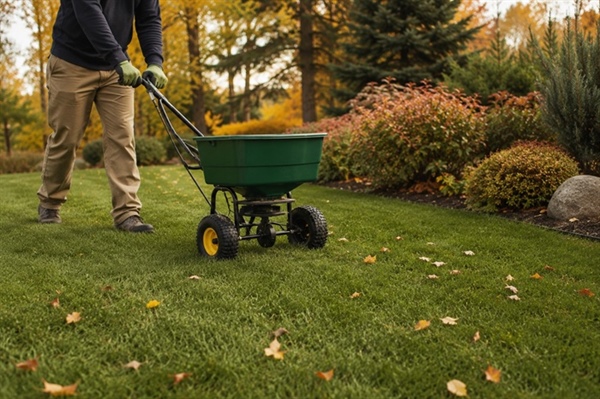
Preparing your lawn for the harsh Minnesota winter is a critical step in maintaining a lush, vibrant property year-round. As temperatures begin to drop in White Bear Lake, MN, your grass shifts its energy from blade growth to root preservation, making autumn the most important season for proactive maintenance. By taking the right steps now, you ensure your turf has the resilience to survive freezing cycles and emerge stronger when spring arrives.
A comprehensive strategy involves balancing nutrient applications, mechanical services, and debris management to protect your landscape investment. Ground FX Lawn & Landscape specializes in these seasonal transitions, providing the expert care necessary to navigate the unique challenges of the Eastern Twin Cities climate. From managing heavy leaf fall to optimizing soil health, proper preparation today prevents costly restoration projects next year.
Key Takeaways:
- Fall fertilization is essential for strengthening root systems and storing energy for winter dormancy.
- Maintaining a specific mowing height of 2.5 inches prevents matting and reduces the risk of fungal diseases like snow mold.
- Core aeration and leaf removal are vital for ensuring oxygen, water, and nutrients reach the soil before the ground freezes.
Benefits of fertilization for root growth
Fall fertilization is critical because it provides the essential nutrients needed to build a deep, resilient root system before the ground freezes. While spring applications focus on top-growth and greening, autumn treatments allow the grass to store carbohydrates in its roots. This energy reserve is what helps the turf survive the sub-zero temperatures typical of a Minnesota winter and provides the fuel for a quick green-up once the snow melts.
Our team at Ground FX Lawn & Landscape utilizes a specialized fertilizing and weed control regimen designed specifically for our local climate. By applying a final round of slow-release fertilizer in early fall, we ensure your lawn receives lasting nourishment. This proactive step helps the grass return thicker and healthier, outcompeting weeds during the following growing season.
Optimal mowing heights for winter prep
You should trim your turf down to a healthy 2.5 inches during your final mow of the season to prevent winter damage. While keeping grass slightly longer in the summer helps with moisture retention, long blades in the fall tend to mat down under heavy snow. This creates a moist, compacted environment that is the perfect breeding ground for various molds and pathogens that can kill large patches of your lawn.
Our lawn mowing service adjustments are a standard part of our seasonal cleanup process. In the last week of October, we transition from standard heights to this lower setting to ensure the grass stays upright and ventilated. This simple adjustment is one of the most effective ways to protect your lawn's health during the long months of dormancy.
Impact of leaf buildup on grass
Excessive leaf buildup damages your grass by blocking sunlight and trapping moisture, which quickly leads to rot and disease. When leaves are allowed to sit on the turf, they create an impenetrable barrier that prevents the grass from performing photosynthesis during its final active weeks. Additionally, a thick layer of wet leaves can suffocate the root system and provide a haven for pests like voles, which can cause extensive tunneling damage.
To combat this, we provide a thorough seasonal yard cleanup that includes blowing out all landscaping areas and hauling away debris. We clear every nook and cranny around obstacles to ensure no organic waste is left to decompose on your turf. Removing this debris is essential for maintaining the integrity of your soil and the overall aesthetic of your backyard.
Timing for aeration and overseeding services
Aeration and overseeding should ideally be completed in the early fall while soil temperatures are still warm enough for seed germination. This process involves using specialized equipment to remove soil plugs, which alleviates compaction and allows water and oxygen to reach the root zone. Creating these openings provides the perfect environment for new grass seeds to take hold and establish themselves before the first hard frost.
Performing core aeration in the fall is much more than just a cleanup task; it is a vital health treatment for high-traffic yards. By loosening the soil density, we enable your grass's roots to expand and grow more vigorously. This leads to a denser lawn that is naturally more resistant to drought and heat stress during the following summer months.
Treatments to reduce snow mold risk
Professional lawn treatments including broadleaf herbicides and balanced fertilizers significantly reduce the risk of snow mold and other winter diseases. Snow mold typically develops when snow falls on unfrozen ground or when grass is left too long and matted. By ensuring your lawn is free of weeds and adequately nourished before winter, you strengthen the natural defenses of the grass plants against these fungal outbreaks.
Our Premium Turf Health Plan includes strategic applications that prepare your yard for the colder months ahead. We also recommend that residents in White Bear Lake, MN, keep pets and people off the turf after herbicide applications until they are dry to ensure maximum effectiveness. Consistent communication and detailed job updates from Ground FX Lawn & Landscape keep you informed throughout this essential preparation process.
Frequently Asked Questions
Can I leave some leaves on my lawn to act as mulch?
While a very thin layer of mulched leaves can provide some nutrients, any significant buildup will suffocate your grass and promote fungal growth. In the Minnesota climate, it is always safer to perform a thorough cleanup and remove debris to ensure the lawn can breathe under the snow. Professional removal prevents the matting that often leads to dead spots in the spring.
Is it too late to aerate if it has already frosted?
Aeration is most effective when the ground is not yet frozen, as the equipment needs to pull clean soil cores 2-3 inches deep. If a light frost has occurred but the ground is still workable, you can still see significant benefits for soil oxygenation. However, once the ground is deeply frozen, the process becomes ineffective until the spring thaw.
Should I water my lawn during the fall?
Yes, you should continue to water your lawn in the fall if the weather is dry, as the grass is still actively building root mass. Adequate hydration is necessary for the roots to absorb the late-season fertilizer applications effectively. Once you have scheduled your irrigation blowout, you can stop watering to prevent pipe damage from freezing temperatures.
At Ground FX Lawn & Landscape, we take immense pride in helping our neighbors prepare their properties for the changing seasons. Whether you need a final mowing, a complete leaf blowout, or a specialized fertilization plan, our experienced team is here to handle the hard work for you. Let us help you protect your landscape and ensure a beautiful return to green next year.
Ready to schedule your seasonal service? Contact us today to request an estimate and join our maintenance program.