Best Practices for Turf & Landscape Health When Working With a Professional Service Provider
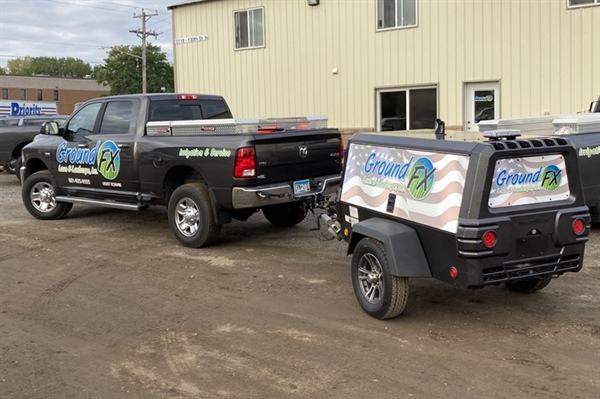
Successful lawn and landscape maintenance combines homeowner involvement with expert professional care. Ground FX Lawn & Landscape helps property owners in the Twin Cities area understand how proper yard preparation, observation, and communication improve results from routine service visits.
By staying engaged with the process, homeowners can protect newly seeded areas, prevent damage, and ensure that every aspect of turf and landscape care aligns with seasonal and long-term objectives. See what steps you should take to achieve green, lush lawn perfection.
Preparing the Yard for Maintenance Crew Arrival
A well-prepared yard allows maintenance crews to work efficiently and reduces the risk of missed areas or accidental damage. Clearing loose debris such as branches, toys, pet items, and yard equipment ensures crews can access turf and landscape areas without obstruction.
Items left on the lawn can interfere with mowing patterns, cause uneven cuts, or hide hazards that may damage equipment.
Safe access is equally important. Gates should be unlocked, pathways cleared, and pets secured indoors or in enclosed areas.
When crews can move freely between zones, they maintain consistent mowing heights, avoid turf scalping, and complete edging and trimming accurately. Smooth access also limits delays and eliminates follow-up visits caused by blocked entry.
Homeowners should also review any temporary conditions before each visit, such as recently seeded patches, irrigation leaks, or areas affected by construction.
Marking these zones or notifying the provider helps the crew adjust their approach and protect ongoing work. This preparation supports better results and reduces the need for corrective work later.
The Role of Communication When Conditions Change
Clear communication is a major factor in the success of professional lawn and landscape services. Conditions such as new shade patterns, emerging pest activity, or drainage changes often develop gradually and may not be obvious during routine visits.
When homeowners report these issues quickly, providers can identify root causes and modify treatments before stress becomes visible.
Drainage problems, for example, may result from downspout shifts, hardscape settling, or compaction after storms. Early communication allows technicians to adjust watering recommendations or schedule aeration before turf declines.
Shade changes caused by tree canopy expansion affect grass density and may require overseeding with shade-tolerant cultivars or pruning recommendations.
Providers also rely on updates about recent homeowner activity. Fertilizer products applied independently, irrigation schedule changes, or chemical treatments used near plant beds can influence turf behavior.
Sharing this information helps the provider maintain accurate records and refine the maintenance plan with minimal disruption to turf performance.
Monitoring Progress & Visible Results
Homeowners can track progress by observing several key indicators that reflect turf and landscape performance.
Uniform greenness across the lawn suggests balanced nutrient distribution and proper irrigation coverage. Patchiness or inconsistent color can reveal soil variation, compaction, or water distribution issues that should be reported.
Weed suppression is another measure of program effectiveness. A well-maintained turf stand should exhibit minimal weed intrusion, especially after pre-emergent or post-emergent treatments.
If certain weeds persist, the provider can adjust strategies by modifying timing, product choice, or cultural practices such as mowing height and irrigation.
Edges along sidewalks, driveways, and planting beds offer additional insight. Clean, well-defined edging suggests steady maintenance and precise trimming.
Weak or overgrown edges often indicate inconsistent growth patterns that may require adjustments to fertilization, mowing frequency, or irrigation. Observing these details helps homeowners understand how their lawn responds over time.
Homeowner Tasks That Support Professional Services
Certain homeowner tasks play an important role between professional visits. Watering practices, for example, influence both nutrient uptake and resilience to environmental stress.
Even the best fertilization or weed-control program relies on stable soil moisture to perform correctly. Watering should be adjusted based on weather, with deep and consistent cycles that match turf demand.
Homeowners who mow independently should follow height recommendations aligned with the service provider’s goals. Cutting too short weakens the lawn and increases weed pressure, while letting grass grow excessively tall before cutting can create clumping and uneven recovery.
Maintaining the correct height supports the provider’s efforts and leads to a more consistent appearance.
Other minor tasks—cleaning up fallen branches promptly, maintaining proper mulch depth, removing thatch buildup in problem areas, and checking irrigation heads after storms—help preserve the lawn’s condition and reduce the workload required during regular visits.
These actions create smoother transitions between service cycles and contribute to long-term lawn stability.
Planning for Long-Term Turf & Landscape Goals
Long-term planning is essential for properties with aging trees, evolving hardscapes, or expanding landscape features. Turf performance often changes as shade increases, roots expand, or soil conditions shift.
Working with a professional provider to forecast these changes allows for gradual adaptation rather than reactive corrections. For example, trees that increase shading over the years may require pruning, overseeding with more tolerant cultivars, or strategic bed expansion.
Hardscape evolution—such as the addition of patios, walkways, or retaining structures—should also be considered in long-term planning.
These features influence drainage, soil compaction patterns, and irrigation layout. Providers can help map out zone adjustments or soil modifications that support healthy turf adjacent to new structures.
Landscape expansion planning creates opportunities to introduce native plants, refine bed shapes, or reorganize irrigation.
Off-peak seasons are ideal times to evaluate these goals, review soil tests, and discuss grading or renovation options. Coordinating with the service provider ensures that projects align with turf schedules and seasonal demands, producing consistent results across the entire property.
Supporting Homeowners with Professional Expertise
We proudly serve White Bear Lake and neighboring communities, delivering tailored solutions that range from mowing and fertilization to irrigation checks and landscape planning.
To learn more or schedule a consultation, call us at 651-925-9555, or connect online. With Ground FX Lawn & Landscape, homeowners gain a trusted partner dedicated to sustaining the beauty, functionality, and health of every outdoor space.